














Article published in Mining Africa Review’s Digital Magazine, Deep Insights p22.
When international investors assess risk in African markets, they look for patterns. South Africa’s illegal mining crisis is one such pattern. Over 6,000 abandoned mines now serve as hubs for illicit networks that drain R70 billion from the economy each year and endangers a number of lives. These figures represent more than accounting problems; they have the potential to shape how capital markets view an entire continent.
The question of whether Africa remains “a place to play” for serious investment depends on how nations handle their resource governance challenges. The world is competing for project finance and South Africa is no different, but the country’s struggle with illegal mining provides an uncomfortable answer. When a middle-income country with established legal systems loses nearly 1% of its GDP to informal gold extraction alone, the implications extend far beyond one nation’s borders.
What Drives South Africa's Illegal Mining Problem
South Africa’s unemployment rate currently sits at 32.9%. The result is that for many young men, the choice comes down to earning nothing legally or risking death for income underground. Illegal miners, called Zama Zamas, can earn between $15,000 and $22,000 annually while legal mining jobs pay around $2,700 according to BBC. The mathematics of desperation makes the choice brutally simple.
The country’s 6,000 abandoned mines create physical opportunities for this trade. Mining companies closed these sites over decades, but shafts were illegally reopened by Zama Zamas exploiting the remaining resources. Criminal syndicates recognised the vacuum and filled it with their own operations, complete with financing, equipment, security, and market access.
Enforcement gaps compound the problem while South African law contains ambiguities about what constitutes illegal mining and what artisanal mining. Authorities also lack the resources to monitor the territories where these operations flourish. Illustrating the point: In the first quarter of 2024 alone, law enforcement documented 581 new illegal mining cases. This represents a 241% increase from 2023. The numbers tell a story of systems overwhelmed.
Cross-border dynamics add another layer of complexity. Many zama zamas come from Lesotho, Mozambique, and Zimbabwe, seeking work unavailable in their home countries. When police conducted a week-long operation at Sheba Gold Mine in August 2025, they arrested nearly 1,000 undocumented migrants, some underaged, working underground. The operation took a full week to extract people from a single site.
How South Africa's Crisis Undermines African Investment Confidence
The R60 to R70 billion in annual losses represents money that never reaches government coffers. Tax revenue disappears. Royalty payments evaporate. People need be rescued from underground. If incidents are reported, many aren’t with dire consequences. The funds that should build schools, repair roads, or train workers instead flow to illicit mining activities.
Legal mining companies face mounting costs. They must invest heavily in private security to protect their operations from illegal incursions. Yet, equipment gets sabotaged, electrical systems suffer damage, and water supplies face contamination. These security premiums reduce profitability and make South African mining less competitive in global markets.
The reputational damage extends beyond South Africa’s borders. International investors view mining governance as a proxy for broader institutional strength. When a country with South Africa’s history and infrastructure cannot control its mining sector, capital allocators draw conclusions about risk across the continent. The perception becomes reality. African projects demand higher returns to compensate for perceived instability.
The Community Impacts and Human Cost of Illicit Mining
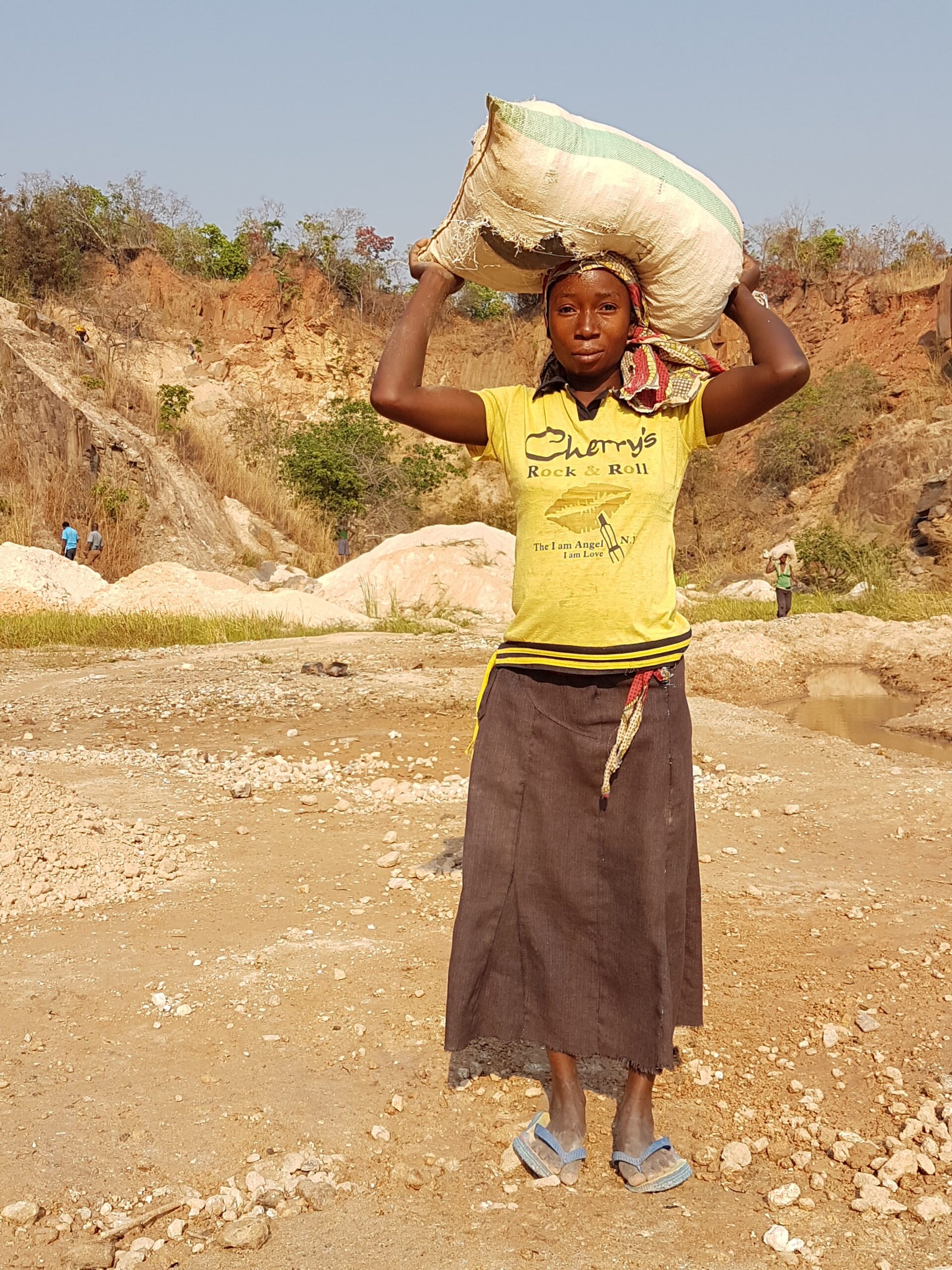
Mining towns that once thrived on formal employment now contend with territorial battles, illegal operations, weapons proliferation, human trafficking, and prostitution rings.
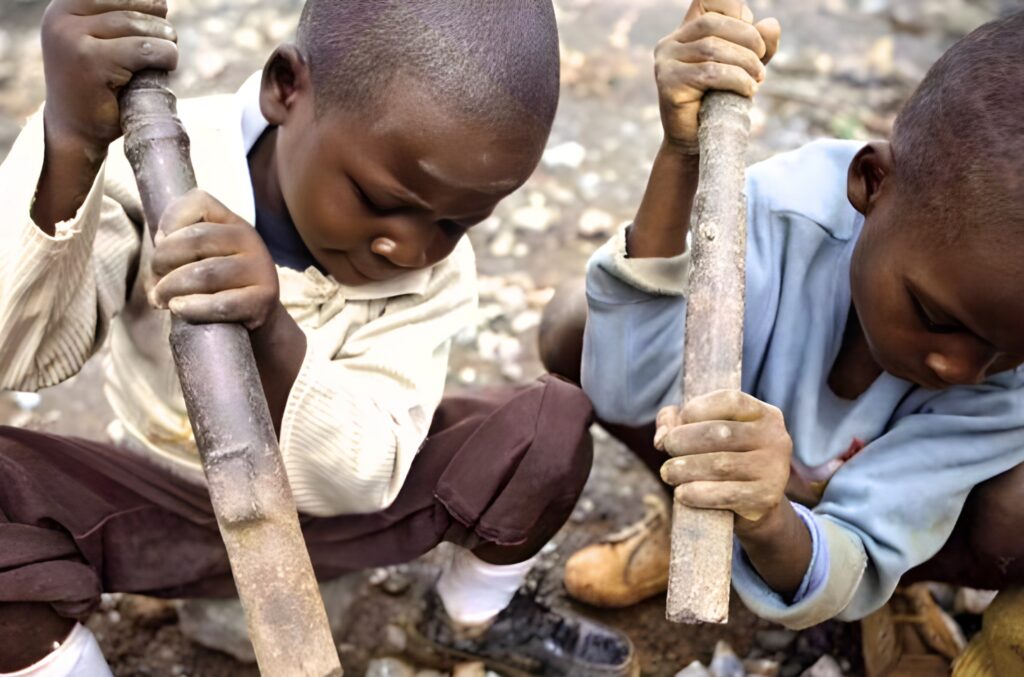
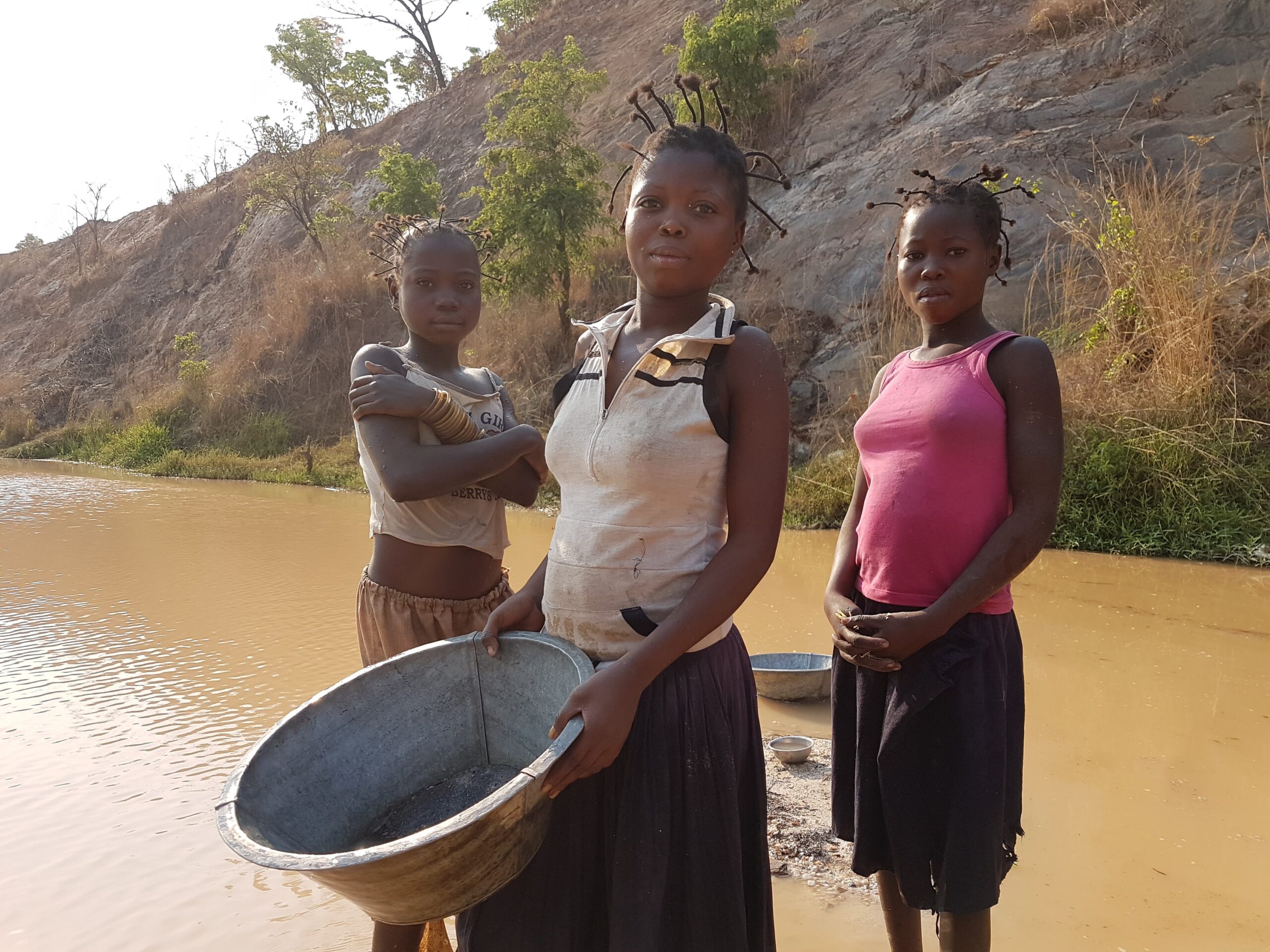
The exploitation extends to the most vulnerable. Some operations use forced labour and debt bondage to control workers. Children work alongside adults in conditions that kill experienced miners. Families describe a breakdown of social trust while local officials face corruption pressures.
The Long-Term Ecological Costs
Twenty percent of South Africa’s rivers now show effects from acid mine drainage linked to both legal and illegal mining. The contamination persists for decades after mining stops. Mercury and cyanide from illegal processing operations poison groundwater. Communities lose access to safe drinking water. Irrigation becomes impossible. Agricultural potential disappears.
The physical dangers extend beyond water. Illegal mining creates sinkholes that swallow homes and roads. Underground fires burn for years. Soil erosion strips away topsoil. In a country already facing water stress, the environmental damage from unregulated mining compounds existing climate challenges.
Unlike regulated operations that maintain closure plans and remediation funds, illegal sites receive no environmental rehabilitation. This highlights a critical gap where professional technical oversight is needed. But, the process of making a mine safe and stable, known as rehabilitation, is a complex, long-term scientific undertaking. It involves managing groundwater, ensuring rock stability, and remediating soil – skills that are absent in these illicit operations. The land becomes a permanent sacrifice zone. Wildlife habitats disappear. Ecosystems collapse. The true cost of illegal mining includes generations of lost productivity from poisoned land and water.

Current Interventions and Their Mixed Results
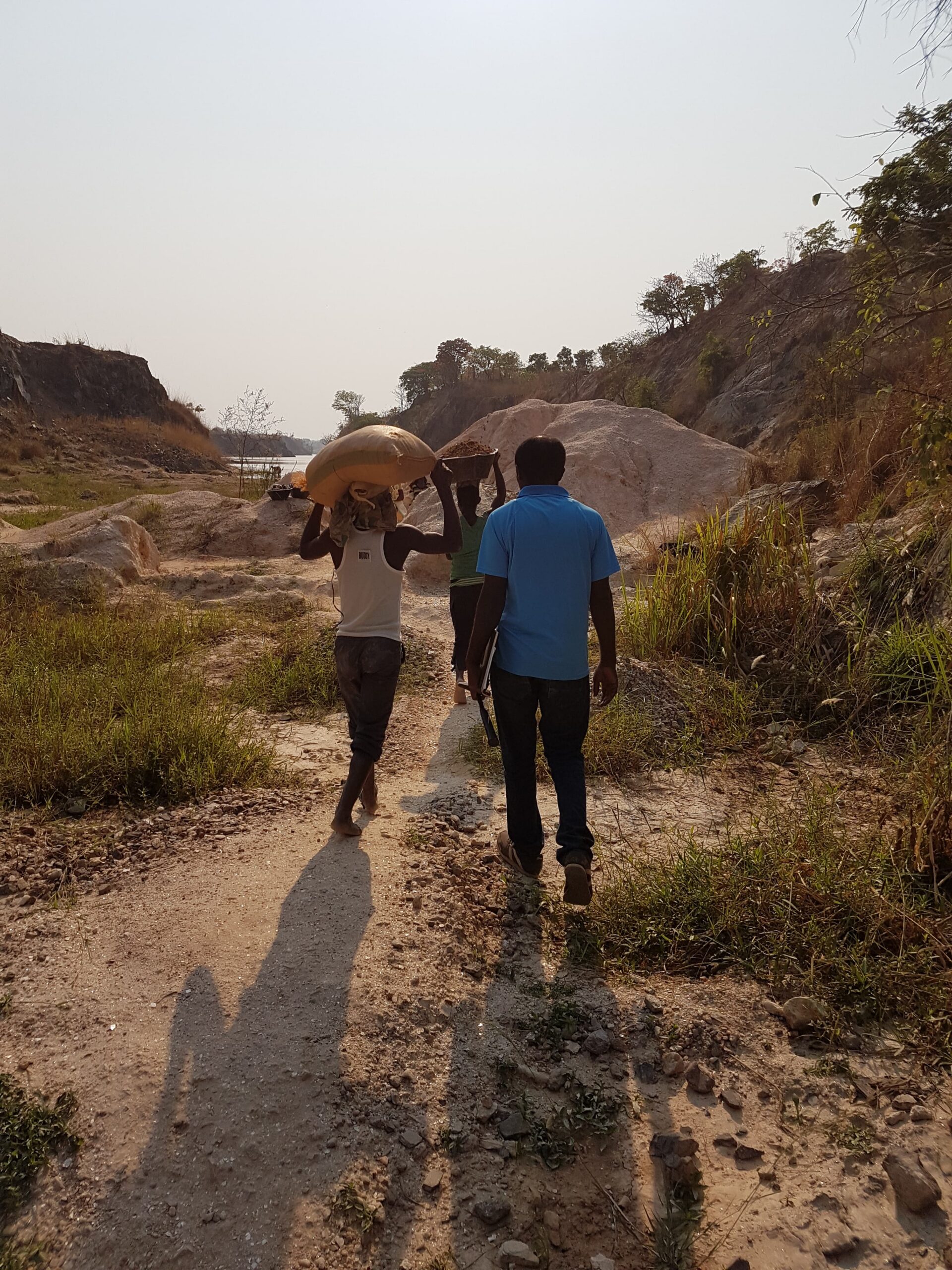
Operation Vala Umgodi represents the government’s most comprehensive response to illegal mining. The multi-provincial initiative coordinates law enforcement across regions to target both individual miners and the infrastructure supporting them. In August 2025 alone, operations resulted in nearly 1,000 arrests at one site, with additional arrests in Northern Cape and Free State provinces.
Authorities seize excavators, water pumps, and processing equipment. The physical disruption of operations shows immediate results. Yet the arrests fail to address root causes. New miners quickly replace those arrested. The economic desperation that drives people underground persists, unemployment remains high, and alternative income sources stay scarce.
The enforcement approach faces another limitation. The Stilfontein standoff, for example, which included cutting off supplies to force miners to surface, generated significant criticism from human rights organisations. The tactics created humanitarian crises that undermined political support for continued operations. The government must balance law enforcement goals against basic obligations to prevent suffering.
Alternative approaches receive limited implementation. Some experts advocate for formalising artisanal mining through proper licensing and regulation. The model would provide legal pathways for small-scale miners to work safely under government oversight. Ghana and Tanzania have experimented with formalisation programs, with mixed results. South Africa has not pursued this option at scale.
Job creation programmes offer another potential solution. If communities had access to alternative employment, the risk calculation for illegal mining would shift. Yet creating sustainable jobs in areas with limited economic infrastructure requires sustained investment and political will. Short-term enforcement operations prove easier to implement than long-term economic development.
Beyond South Africa: Continental Implications
Illegal mining in South Africa represents broader African development challenges. High unemployment, extreme inequality, weak institutions, and organised crime networks operate across the continent. The Democratic Republic of Congo loses approximately $1 billion annually to illegal cobalt mining. Nigeria faces similar problems with lithium extraction. Ghana struggles with galamsey operations (illicit gold mining) that employ thousands of children in dangerous conditions.
These patterns shape how international capital markets assess African investment opportunities. The perceived governance gaps create a persistent risk premium. Projects must promise higher returns to attract funding. The higher costs of capital slow development. Countries struggle to convert resource wealth into shared prosperity.
South Africa’s experience offers lessons for other resource-rich African nations. Enforcement alone cannot solve problems rooted in economic desperation. Without addressing unemployment and inequality, governments simply play an expensive game of catch and release with illegal miners. The underlying conditions that create the crisis remain unchanged.
The path forward requires integrated approaches. Enforcement must combine with economic alternatives, environmental remediation programs, and regional cooperation to disrupt transnational illicit networks. Communities need viable employment options. Abandoned mines need proper closure and security. Legal frameworks need clarity and consistent application.
This is where technical expertise in resource governance becomes essential. Creating a viable, formalised artisanal mining sector, for example, requires a clear understanding of geological data, safe extraction methods, and environmental management, a framework that industry experts can help develop.
Final Thoughts
Some progress emerges from the wreckage. South Africa has deployed over 3,000 National Defence Force personnel to secure and close abandoned mines. Legislative revisions are underway to align mining laws with current realities and close legal loopholes that organised groups exploit.
Regulatory reforms aim to reduce the uncertainty that has plagued the sector. Frameworks for artisanal mining formalisation are being developed, which could provide legal pathways for small-scale miners to operate safely under government oversight. Frameworks for artisanal mining formalisation are being developed, which could provide legal pathways for small-scale miners to operate safely under government oversight.
These efforts remain nascent. Their success depends on sustained commitment and adequate funding. Yet they represent recognition that enforcement cannot stand alone. Africa demands serious engagement from domestic governments and international partners who understand that security, economic development, and environmental protection form a single challenge. The question now is whether institutional learning translates into action that addresses root causes rather than symptoms.

Author
Oscar van Antwerpen