


















CASE STUDY
Vein-hosted gold in Tanganyika Province, DRC: geological due diligence project case study
Project Overview
Minrom Consulting completed a geological due diligence investigation on a vein-hosted gold project in Tanganyika Province in the Democratic Republic of Congo. The work included historical data validation, field verification, metallurgical test work, 3D geological modelling, block modelling, and a high-level economic evaluation to help the investor assess project risk before committing further capital.
Scope of Work
Key takeaways
- Minrom completed geological due diligence on a vein-hosted gold project in Tanganyika Province, DRC.
- The review tested whether historical exploration and mining data could support further investment.
- Minrom verified project data through desktop review, field checks, metallurgical test work, and geological modelling.
- Minrom recommended more drilling, mapping, soil sampling, and geophysics before proposed small-scale mining.
Commodity
Gold (Au)
Country
Tanganyika Province DRC, Africa
Project Type
Due Diligence

Why the DRC gold project needed geological due diligence
The project needed geological due diligence because the investor had to test the reliability of historical exploration and mining data before committing major capital. The project had a history of geological mapping, soil sampling, grab sampling, trenching, limited drilling, and previous mining activity. Historical reports indicated strong gold grades, but those reports still needed to be checked against the available data and field evidence.
For an investor, this kind of due diligence helps answer practical questions:
- Is the historical data complete enough to support further work?
- Do the reported gold values match the geological setting?
- Can the historical mapping, trenches, drilling, and sampling be verified in the field?
- What technical risks remain before mining or further exploration?
- What work is needed before more capital is committed?
How Minrom approached the gold project due diligence
This Gold occurs as vein-hosted in mountains in the Tanganyika Province in DRC. The project has an associated history of exploration and historical mining reporting great gold grades.
Minrom Consulting was appointed by an investments company based in the Americas to perform a geological due diligence on the project. This inluded an evaluation of the historical data, a site visit and verification of the historical data, followed by metallurgical testing and the development of a chunky economic model for the project potential.
How did Minrom perform this due diligence task?
Phase 1 of the project consisted of validating all available data on the project followed by combining all the validated data into a usable database.
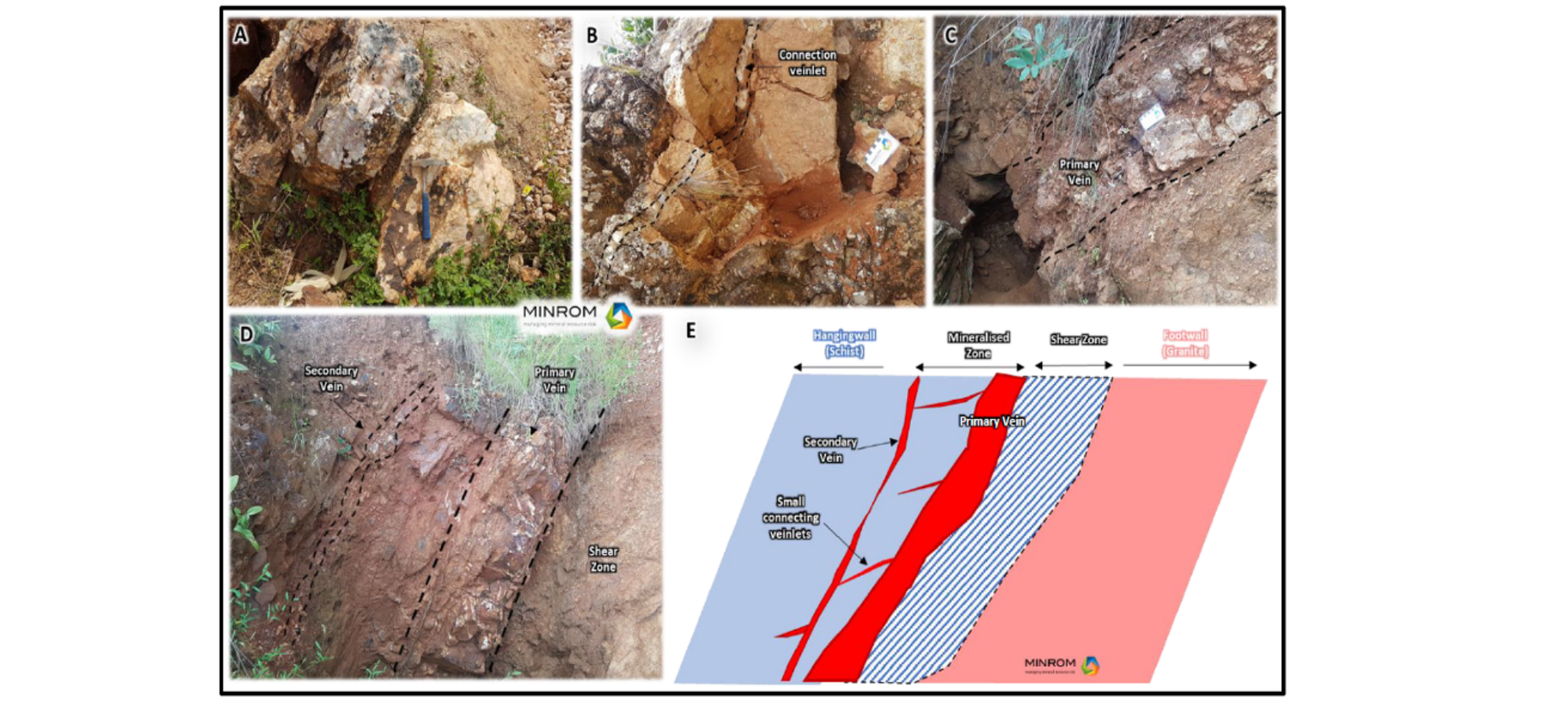
This was followed by phase 2, a site visit with the aim to verify the historical data in the field, focusing on the verification of the historical mapping, trenches, drilling and sampling data. This was followed up by metallurgical test work on samples obtained from the field.
Figure 1
Mapping by Minrom
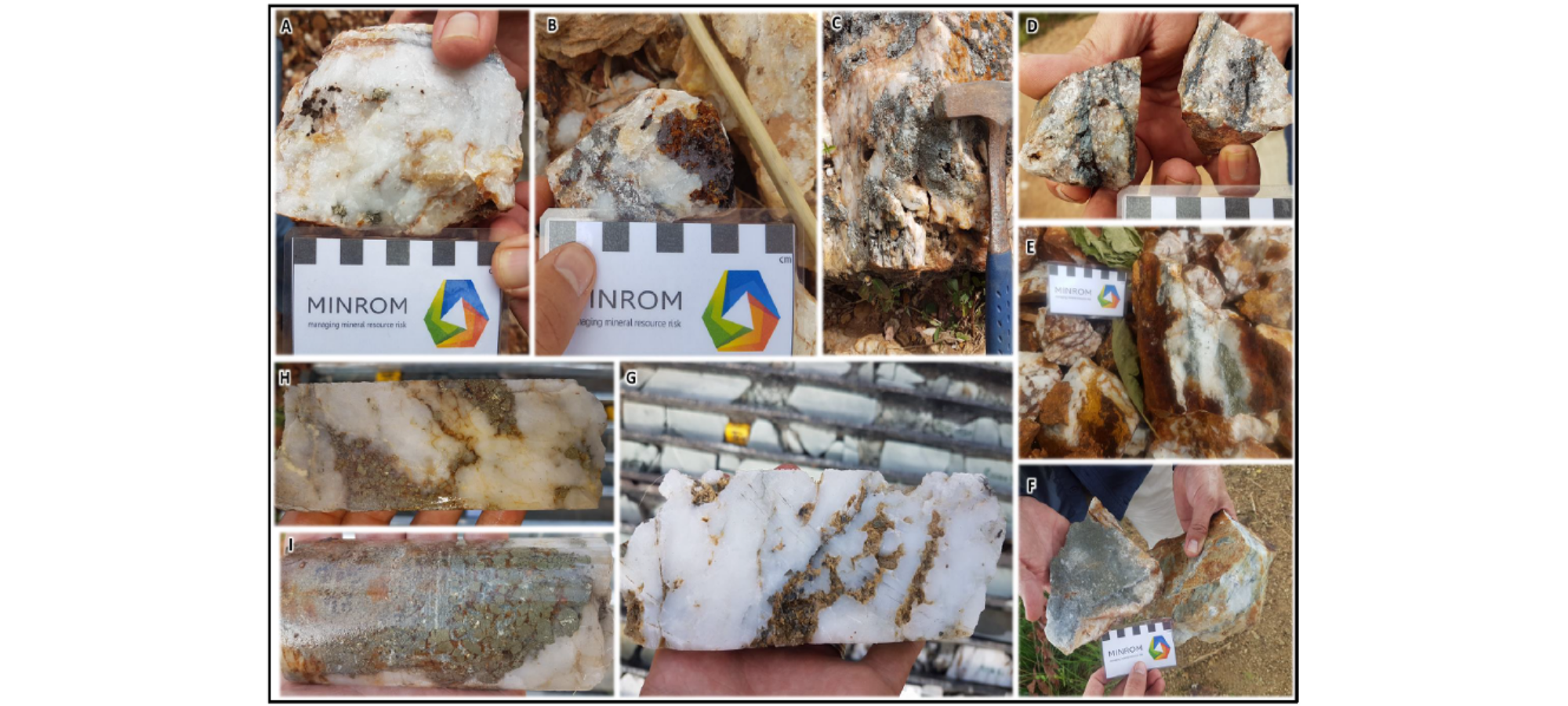
Phase 3 consisted of developing a high-level 3D geological model and block model for the project. Minrom created a gold geological block model incorporating and the historical data followed by an economic evaluation.
Figure 2
Verification of the drill core data and photographs of the mineralisation
Why the DRC gold project needed geological due diligence
The project needed geological due diligence because the investor had to test the reliability of historical exploration and mining data before committing major capital. The project had a history of geological mapping, soil sampling, grab sampling, trenching, limited drilling, and previous mining activity. Historical reports indicated strong gold grades, but those reports still needed to be checked against the available data and field evidence.
For an investor, this kind of due diligence helps answer practical questions:
- Is the historical data complete enough to support further work?
- Do the reported gold values match the geological setting?
- Can the historical mapping, trenches, drilling, and sampling be verified in the field?
- What technical risks remain before mining or further exploration?
- What work is needed before more capital is committed?
How Minrom approached the gold project due diligence
This Gold occurs as vein-hosted in mountains in the Tanganyika Province in DRC. The project has an associated history of exploration and historical mining reporting great gold grades.
Minrom Consulting was appointed by an investments company based in the Americas to perform a geological due diligence on the project. This inluded an evaluation of the historical data, a site visit and verification of the historical data, followed by metallurgical testing and the development of a chunky economic model for the project potential.
Figure 1
Mapping by Minrom
How did Minrom perform this due diligence task?
Phase 1 of the project consisted of validating all available data on the project followed by combining all the validated data into a usable database.
This was followed by phase 2, a site visit with the aim to verify the historical data in the field, focusing on the verification of the historical mapping, trenches, drilling and sampling data. This was followed up by metallurgical test work on samples obtained from the field.
Figure 2
Verification of the drill core data and photographs of the mineralisation
Phase 3 consisted of developing a high-level 3D geological model and block model for the project. Minrom created a gold geological block model incorporating and the historical data followed by an economic evaluation.
What Minrom found and next steps for the gold project
From the gold values, the geological structural mapping and geological block model in conjunction with economic models, the project has significant upside potential if exploration is furthered. Minrom is excited about the prospect of this project and has recommended that further delineation and definition diamond drilling be performed on existing targets as well as further mapping, soil sampling and geophysical studies on extended targets. This will significantly reduce the risks associated with proposed small-scale mining in the project area.